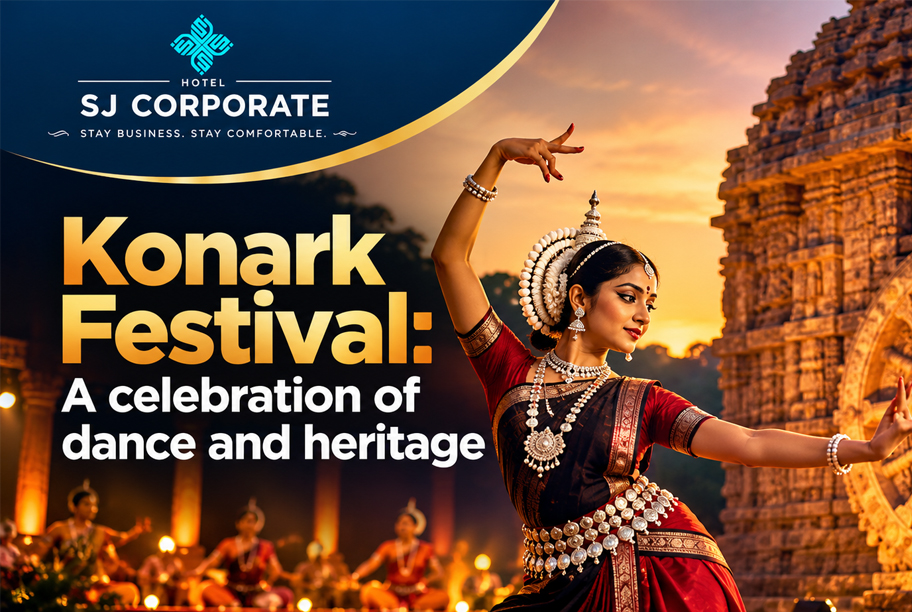
Every December, Konark offers visitors a chance to experience Indian classical dance in a place where art and history are closely connected. The Konark Festival 2026 will take place from December 1 to 5 at the Open-Air Auditorium in Konark, Odisha, bringing together classical dance traditions against the backdrop of the historic Sun Temple. Organised as part of Odisha’s cultural tourism calendar, the festival celebrates India’s performing arts while highlighting the architectural and artistic heritage of the region.
For travellers, the festival is an opportunity to see more than a dance performance. It offers a closer look at Odisha’s cultural identity, the expressive tradition of Odissi dance, and the relationship between movement, music and temple sculpture. Visitors can also explore the Konark Sun Temple, attend the International Sand Art Festival at nearby Chandrabhaga Beach, and plan a wider trip covering Puri and Bhubaneswar.
The Story Behind the Konark Festival
The Konark Festival has been held annually from December 1 to 5 since 1986, according to the Government of India’s Utsav portal and Odisha Tourism. Over the years, it has developed into an important platform for Indian classical dance, bringing performers and audiences together in one of Odisha’s best-known heritage destinations.
The setting is central to the festival’s identity. Konark is home to the 13th-century Sun Temple, commissioned under King Narasimhadeva I of the Eastern Ganga dynasty. Designed in the form of a monumental chariot associated with Surya, the Sun God, the temple is renowned for its carved stone wheels, sculptural details and architectural scale. It is recognised as a UNESCO World Heritage Site.
The temple’s artistic legacy gives the festival a distinctive context. Dance figures, musicians and other sculptural motifs form part of the wider visual language of Indian temple art. When classical dancers perform in Konark, the connection between the historic monument and living performance traditions becomes especially meaningful.
The festival does not simply recreate the past. It gives established classical dance forms a contemporary stage, allowing audiences to experience traditions that continue to be practised, taught and performed across India.
Why Dance and Heritage Belong Together at Konark
Indian classical dance combines movement, rhythm, expression and storytelling. A hand gesture can communicate an idea; a change in facial expression can convey an emotion; and the rhythm of the feet can work in harmony with the accompanying music.
At Konark, these elements take on an additional dimension because visitors are surrounded by a landscape associated with centuries of artistic achievement.
The festival’s programme features classical dance traditions such as Odissi, Bharatanatyam, Kathak, Kuchipudi and Manipuri. The precise performers and daily schedule vary by edition, so visitors should check the official 2026 programme before making specific plans.
For people interested in Indian culture, the performances offer a way to appreciate the differences between regional dance traditions. For photographers, heritage enthusiasts and international visitors, the festival also provides an opportunity to understand how performing arts remain part of India’s cultural life rather than existing only in museums or historical accounts.
Odissi: The Dance Tradition Closely Associated with Odisha
No discussion of the Konark Festival is complete without understanding Odissi, the classical dance form that originated in Odisha.
Odissi is known for its graceful movements, expressive storytelling, distinctive torso movements and sculptural poses. Its performance vocabulary draws on traditions of music, poetry, devotional expression and classical dance technique. The tribhangi posture, in which the body bends at three points, is one of the form’s best-known visual characteristics.
The relationship between Odissi and Konark is particularly striking. The Sun Temple’s sculptures include figures in dance-like poses, alongside depictions of musicians and other aspects of cultural life. These carvings are not a complete record of modern Odissi choreography, but they offer valuable insight into the region’s historic artistic traditions.
During the festival, Odissi performances allow audiences to experience this cultural heritage through living movement. The combination of rhythm, gesture, music and expression helps explain why the dance form remains an important part of Odisha’s identity.
Other classical forms add a wider Indian perspective. Bharatanatyam is known for its precise movements and expressive storytelling, Kathak for its rhythmic footwork and spins, and Kuchipudi for its combination of dance and dramatic expression. Each form brings its own history and performance style to the stage.
Konark Festival 2026: Dates, Venue and Visitor Information
The official Odisha Tourism listing provides the following key information for visitors planning their trip.
| Detail | Information |
|---|---|
| Event | Konark Festival 2026 |
| Dates | December 1–5, 2026 |
| Venue | Open-Air Auditorium, Konark |
| District | Puri, Odisha |
| Main attraction | Indian classical dance performances |
| Typical published performance hours | 6 PM–9 PM |
| Nearby event | International Sand Art Festival |
| Ticket information | Check the official festival listing for current arrangements |
The festival is scheduled for five consecutive evenings. The performance programme, participating artists, entry arrangements and any changes to timings should be verified through official announcements. Do not rely on an older year’s artist lineup when planning for 2026.
Official information is available through Odisha Tourism’s Konark Festival page and the Incredible India festival listing.
What Else Can You Experience During the Festival?
A visit to Konark can be planned around more than the evening performances. Early December is a useful time to combine cultural events with heritage sightseeing and a coastal excursion.
Visit the Konark Sun Temple
Set aside time to explore the Sun Temple during its visitor hours. Look closely at its monumental design, carved wheels and sculptural details to appreciate the craftsmanship that makes it a major heritage attraction. The temple is a separate visit from the evening dance programme, so allow enough time for both.
Explore the International Sand Art Festival
The International Sand Art Festival is scheduled for December 1–5, 2026, at Chandrabhaga Beach near Konark. It features sand sculptures created by participating artists, making it a natural addition to a Konark Festival itinerary. Check the official Odisha Tourism page for current event details.
Spend time at Chandrabhaga Beach
Chandrabhaga Beach offers a coastal setting close to Konark. Visitors can enjoy the scenery and include a beach visit before or after the festival, depending on their schedule. Follow local safety advice and check conditions before entering the water.
Discover local crafts and Odia food
Look for local handicrafts, traditional textiles and regional souvenirs while exploring the area. Odisha’s wider craft traditions include Pattachitra painting, appliqué work, stone carving and handloom textiles. You may also want to try Odia dishes during your trip, although individual food stalls and market arrangements will depend on what is operating during your visit.
How to Reach Konark for the Festival
Konark can be reached by road from Bhubaneswar and Puri, making it suitable for a short cultural trip or part of a longer Odisha holiday.
By air: Biju Patnaik International Airport in Bhubaneswar is the main airport for many visitors travelling to the region. Arrange road transport onwards to Konark.
By train: Bhubaneswar and Puri are the principal railway access points. From either city, continue by road to Konark.
By road: Taxis and other road transport options connect Konark with Bhubaneswar and Puri. Allow additional travel time during the festival period and check your return transport arrangements if attending an evening performance.
Bhubaneswar is approximately 65 km from Konark, although the actual journey time depends on traffic and your starting point.
Where to Stay When Visiting the Konark Festival
Your choice of accommodation depends on how you want to structure the trip. Staying in Konark or Puri can put you closer to the coastal attractions, while Bhubaneswar may be more convenient if you are arriving by air or train and want to explore the capital city as well.
If Bhubaneswar is your base, SJ Corporate is an accommodation option to consider when planning your visit. Check its current room availability, facilities, location and booking conditions before confirming your stay. Plan your transport to Konark in advance, particularly if you intend to attend an evening performance and return the same day.
Frequently Asked Questions About the Konark Festival
When will the Konark Festival 2026 be held?
The Konark Festival 2026 is scheduled for December 1–5, 2026, at the Open-Air Auditorium in Konark, Odisha. Confirm the official programme before travelling.
Where is the Konark Festival celebrated?
The festival is held at the Open-Air Auditorium in Konark, in Puri district, Odisha, near the historic Konark Sun Temple.
Why is the Konark Festival celebrated?
The festival celebrates Indian classical dance and performing arts. It also highlights the cultural heritage of Odisha and the historic artistic setting of Konark.
Which dance forms are performed at the Konark Festival?
The festival showcases classical dance forms such as Odissi, Bharatanatyam, Kathak, Kuchipudi and Manipuri. The actual lineup varies each year, so consult the official 2026 schedule for participating artists.
Is the Konark Festival a ticketed event?
The event has published ticket and entry information through official tourism listings. Check the latest details for the 2026 edition, including prices, availability and entry requirements, before visiting.
Can I visit the International Sand Art Festival during the same trip?
Yes. The International Sand Art Festival is scheduled for December 1–5, 2026, at Chandrabhaga Beach near Konark. You can plan to visit both events, allowing sufficient time for transport and each venue.
How many days should I plan for Konark?
One day may be enough for the Sun Temple and an evening performance if you arrive early. Two days are more comfortable if you also want to explore the sand art festival, Chandrabhaga Beach and nearby attractions.
Conclusion: Experience the Living Heritage of Odisha
The Konark Festival is a celebration of Indian classical dance in a destination recognised for its architectural and artistic legacy. Its five-day programme brings together dance traditions that have been developed, practised and passed on across generations, with Odissi holding a special place in Odisha’s cultural identity.
Scheduled for December 1–5, 2026, the festival also provides a reason to explore the Konark Sun Temple, Chandrabhaga Beach and the International Sand Art Festival. By checking the official programme and planning transport in advance, visitors can enjoy a trip that combines performing arts, heritage and coastal experiences.
For anyone interested in Indian culture, the Konark Festival offers an opportunity to see heritage not simply as something preserved in stone, but as a living tradition expressed through music, movement and performance.
Top Stories